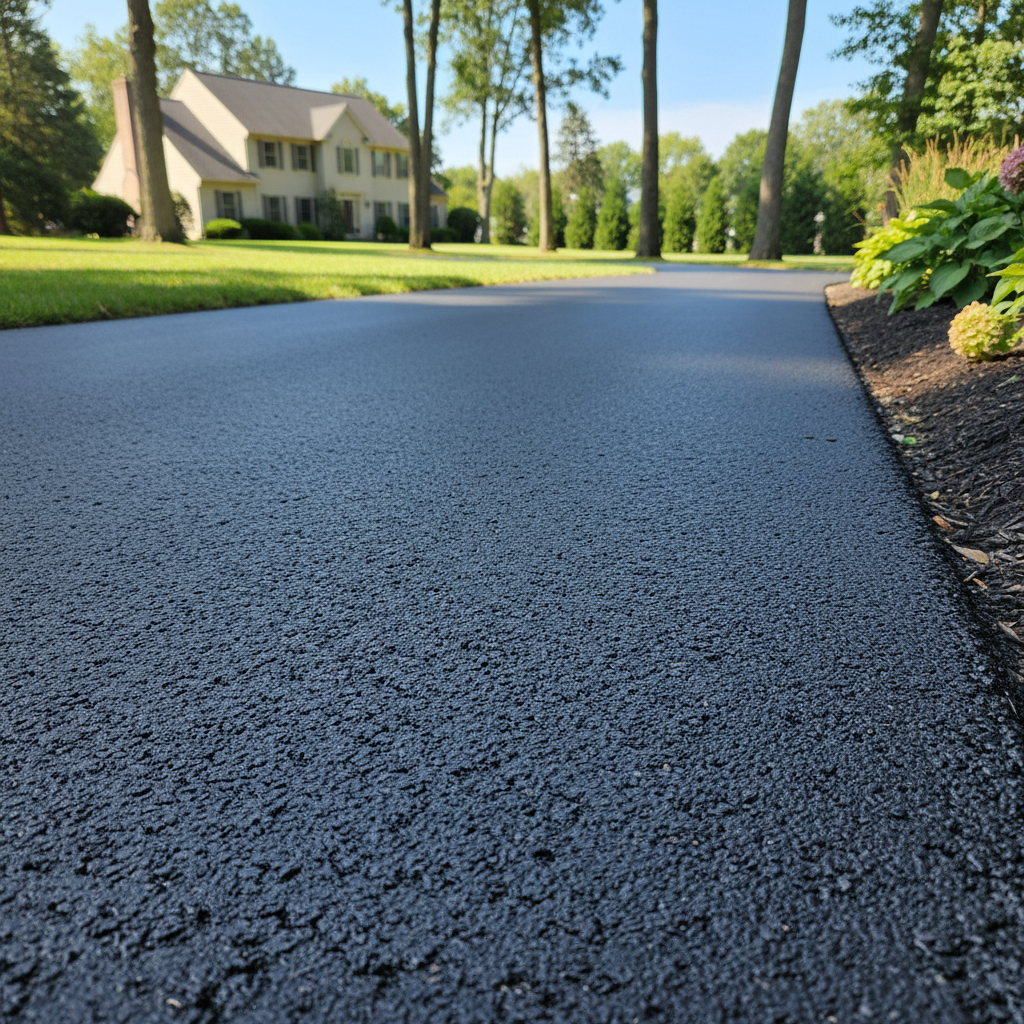
What's the best time of year to pave a new driveway in Toms River?
Honestly, spring and fall are usually your best bets around here. The ground isn't frozen solid like in winter, and you're not battling that brutal summer humidity and heat. When it's too hot, the asphalt can cure too quickly, or it can be a real pain to work with, leading to issues down the road. Too cold, and it just doesn't compact right. We're looking for consistent temperatures, usually above 50 degrees Fahrenheit, for the best results. That gives the asphalt mix time to cool and set properly, making for a much more durable surface. If you're thinking about getting it done, planning for April-May or September-October is usually ideal for us and for your driveway's longevity. Just something to keep in mind.
How long should a new asphalt driveway last?
A well-installed asphalt driveway, put in right by a reputable company, should give you a good 15 to 20 years, sometimes even more. But that's with proper maintenance, you know? Things like regular sealcoating every few years, fixing cracks quickly, and making sure you don't have heavy vehicles constantly driving or parking on it. The quality of the sub-base, the thickness of the asphalt layers, and the drainage around your home all play a huge part too. If we're talking about some of those older homes in places like the Beachwood section, with their sandy soil, a good, solid sub-base is absolutely critical. Skimp on that, and you'll see problems a lot sooner, no matter how good the top layer looks initially.
What's involved in site preparation for a new driveway?
Site prep is probably the most crucial part of the whole job, and it's where a lot of less experienced guys cut corners. First, we've got to dig out the area, removing all the old material – whether it's grass, dirt, or an old broken-up driveway. We dig down deep enough to create a solid foundation. Then, we lay down and compact a good layer of gravel or crushed stone. This is your sub-base, and it needs to be perfectly graded for drainage and compacted super tight. We're talking multiple passes with heavy equipment to make sure it's dense and stable. If your sub-base isn't right, your asphalt won't last. It's like building a house on a shaky foundation. We also make sure the grade slopes away from your house so water doesn't pool up against your foundation. That's a big one, especially with all the rain we get here in New Jersey.
Can I pave over my existing concrete driveway?
You can, but it's not always the best idea, and it depends entirely on the condition of the concrete. If your concrete driveway is mostly sound, with just minor cracks and no major heaving or settling, sometimes we can do an asphalt overlay. We'd clean it thoroughly, fill any significant cracks, and then put down a bonding agent before paving. However, if the concrete is severely cracked, crumbling, or has significant drainage issues, paving over it is just putting a band-aid on a bigger problem. Those underlying issues will eventually show through the new asphalt, and you'll end up with cracks and failures much sooner. In those cases, it's almost always better to remove the old concrete and start fresh with a proper asphalt base. It costs more upfront, but it saves you headaches and money in the long run.
How thick should my new asphalt driveway be?
For most residential driveways, you're usually looking at about 2 to 3 inches of compacted asphalt on top of a well-prepared sub-base. Now, that's assuming a standard passenger vehicle load. If you've got heavier vehicles, like an RV, a work truck, or you're expecting delivery trucks often, we might suggest a thicker application, maybe 3.5 to 4 inches, or even a two-layer system with a binder course and a surface course. It's not just about the asphalt thickness though; it's also about the depth and compaction of that gravel sub-base underneath. A good rule of thumb is at least 6-8 inches of compacted stone base for residential, sometimes more depending on the soil conditions and expected traffic. We always check out your specific needs and property during a consultation to give you the right recommendation.
What kind of drainage considerations are important for a driveway?
Drainage is huge, especially in a place like Toms River where we get our share of heavy rain and snowmelt. You don't want water sitting on your driveway or, worse, running towards your house. We always design the driveway with a slight slope, usually about 1/8 to 1/4 inch per foot, to direct water away from structures and towards appropriate drainage areas. Sometimes that means sloping it towards the street, other times towards a lawn or a catch basin. If your property is flat or has specific challenges, we might need to add swales, French drains, or even a channel drain system. It's all about preventing standing water, which can lead to premature cracking, potholes, and even foundation issues for your home. Getting the grade right from the start is non-negotiable for a long-lasting, problem-free driveway. That's something we at Classic Asphalt Co take very seriously on every job.