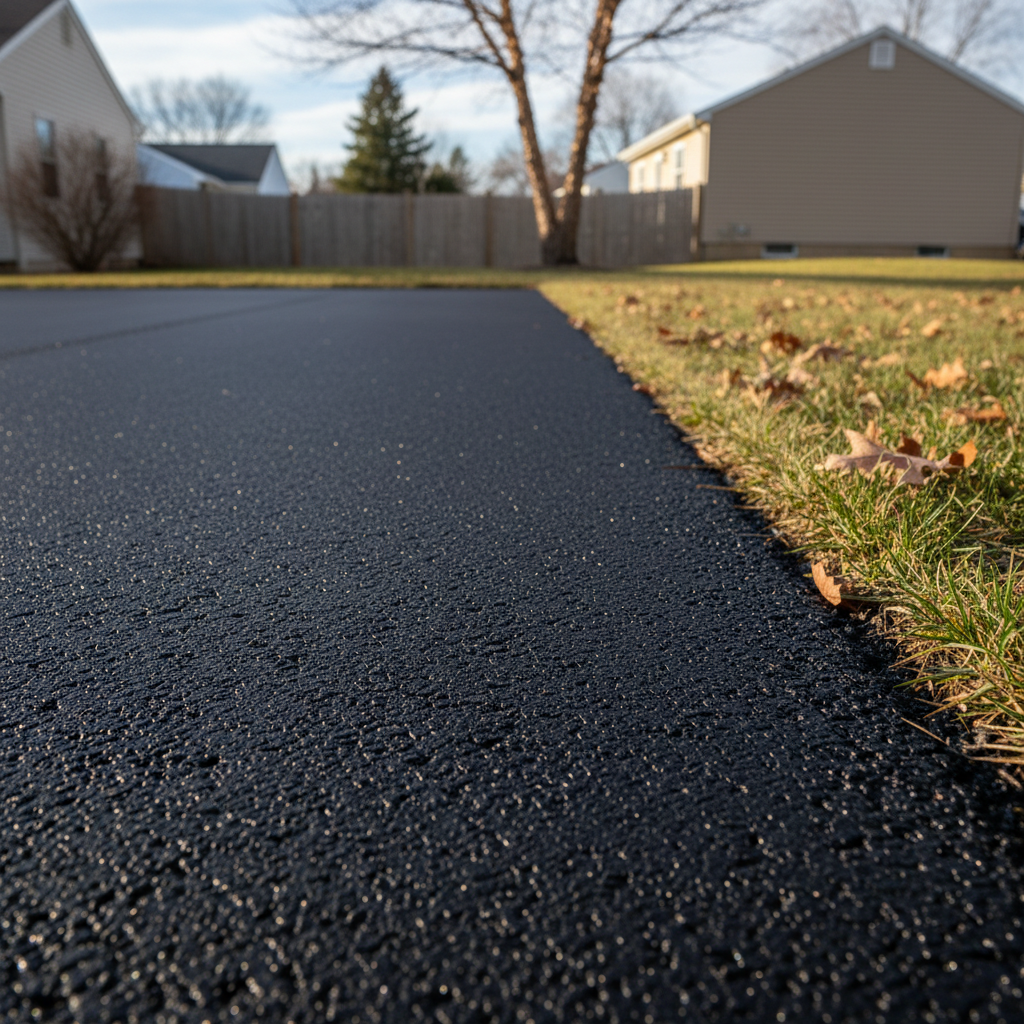
Alright, let's talk asphalt. I've been doing this a long time, and I hear the same questions pretty often from homeowners and business owners right here in Toms River. It makes sense; you want to make sure you're getting things done right and that your money's well spent. So, I figured I'd put together some straight answers to those common questions. No fluff, just what you need to know.
How long does an asphalt driveway really last around here?
That's probably the most common question I get. The honest answer? It depends, but generally, a well-installed and properly maintained asphalt driveway in our area should give you 15 to 20 years, sometimes even more. Now, what affects that? A lot of things. The quality of the initial installation is huge – if the base isn't prepped right, or the asphalt mix isn't good, you're starting off on the wrong foot. Drainage is another big one; standing water is asphalt's enemy. And then there's maintenance, which we'll get to. But if Classic Asphalt Co puts it in, and you take care of it, you'll get good life out of it.
What's the deal with cracks? Are they always a big problem?
Cracks are a fact of life with asphalt, especially with our freeze-thaw cycles here in New Jersey. Small, hairline cracks aren't usually an immediate disaster. They're often just surface-level and happen as the asphalt ages and dries out. The problem starts when those small cracks get bigger, or when they turn into alligator cracking – that's when it looks like a bunch of interconnected cracks, kind of like an alligator's skin. That usually means the base underneath is failing. The key is to address cracks early. A good crack fill can prevent water from getting underneath and causing bigger problems. Don't let them go; it's always cheaper to fix a small crack than to replace a whole section.
Why do some driveways look so much darker and newer than others?
You're probably seeing the difference between a freshly paved driveway and one that's been sealcoated. When asphalt is new, it's dark black. Over time, UV rays from the sun and oxidation cause it to fade to a grayish color. Sealcoating puts that rich, dark color back, making it look fresh and new. But it's not just about looks; sealcoat protects the asphalt from those same UV rays, water penetration, and even oil and gas spills. It's like sunscreen for your driveway. It's a key part of maintenance that extends the life of your pavement.
How soon can I drive on my new asphalt driveway?
This is important, and you'll want to follow the contractor's advice. Generally, for a newly paved driveway, I recommend staying off it for at least 24 to 48 hours. Sometimes longer if it's a particularly hot day, because heat keeps the asphalt softer for longer. Even after that initial period, it's a good idea to avoid heavy vehicles or sharp turns with power steering for the first week or so. Asphalt cures and hardens over time, not instantly. Think of it like concrete; it needs time to set up properly. You don't want to leave tire marks or indentations right after it's installed.
My driveway has puddles after it rains. Is that normal?
No, it's not normal, and it's definitely not good. Standing water, or