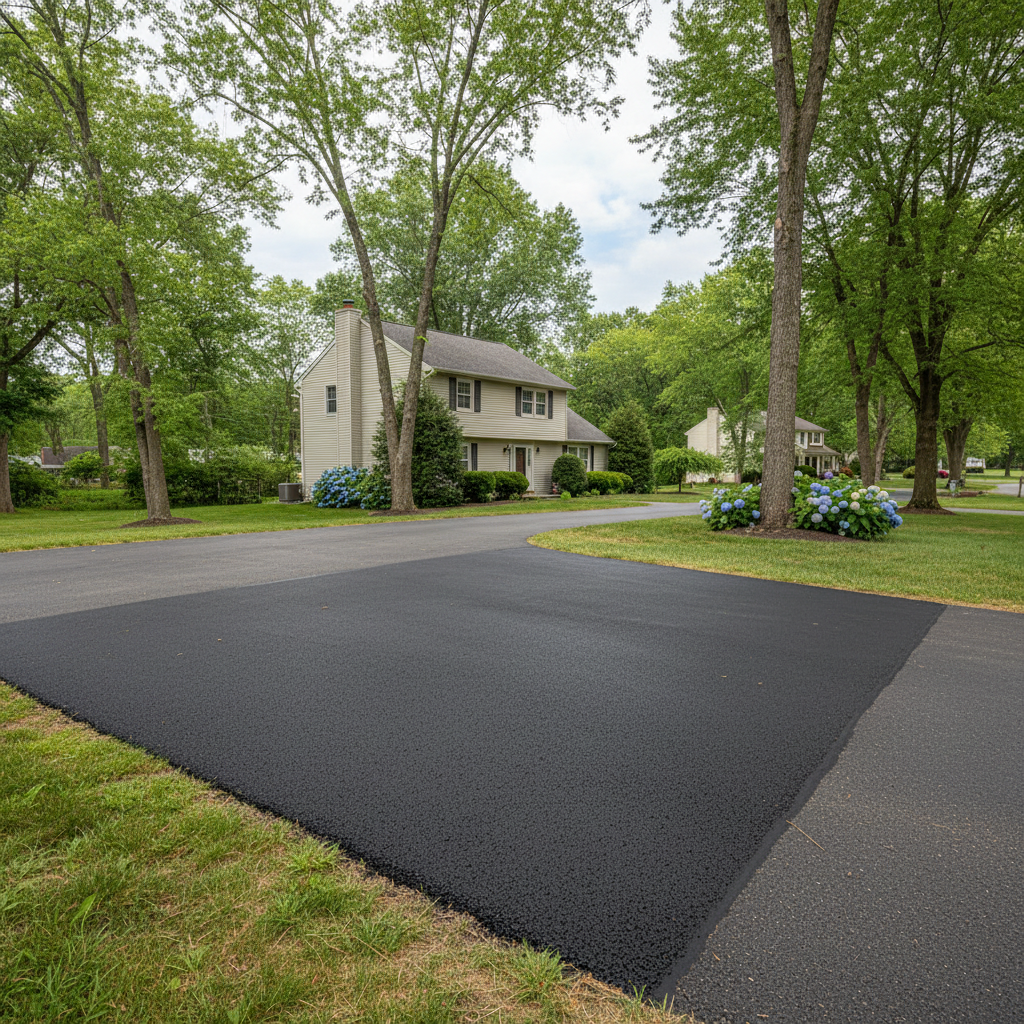
So, you've gone ahead and fixed those potholes and cracks. Good call. But don't think the job's completely done once the crew packs up and leaves. Patching, whether it's a small repair on your driveway or a bigger section in a commercial lot, isn't really a "set it and forget it" kind of deal. Especially here in Toms River, with our wild freeze-thaw cycles and that salty air from the bay, you really need to give your asphalt a little extra care to make those patches last. Otherwise, you'll just end up patching the patches, and honestly, who wants that?
Making Your Asphalt Patches Last Longer
The biggest thing you can do right after a patch is let it cure properly. I know, I know, it's a pain, but if we tell you to stay off it for 24-48 hours, we truly mean it. Driving on fresh asphalt, especially when it's hot out, can cause ruts or push the material around before it's fully bonded. It's kind of like trying to walk on wet cement – you'll just mess it up, won't you?
Once it's cured, you should really think about sealcoating. This is a big one. A good sealcoat works like sunscreen and a raincoat for your asphalt. It protects against UV rays, which actually break down the binder in the asphalt, and it keeps water from seeping into the sub-base through tiny cracks. If you've got new patches, waiting about 90 days before sealcoating is usually the sweet spot. This lets the new asphalt fully oxidize and cure. It's not just about how it looks; it's about creating a protective barrier that extends the life of your entire paved surface, including those fresh patches.
Another thing to keep an eye on is proper drainage. Standing water is asphalt's worst enemy. If you've got areas where water pools, especially near a patch, it's going to find its way underneath and start eroding the base. Then, when winter hits, that water freezes, expands, and boom — you've got a new pothole right next to, or even in, your old patch. Make sure your gutters are doing their job, and if you consistently see puddles, you might need to look into some grading solutions.
Regular Maintenance: Your Asphalt's Best Friend
Regular maintenance isn't just about big, expensive projects; it's about small, consistent actions. Think of it like changing the oil in your car. You wouldn't skip that, would you?
- Keep it Clean: Sweep off dirt, leaves, and other debris regularly. Organic stuff can hold moisture against the asphalt, and dirt can become abrasive over time. Plus, keeping it clean helps you spot problems early.
- Address Spills Immediately: Oil, gas, and other automotive fluids are petroleum-based, just like asphalt itself. They'll soften and dissolve your pavement over time. If you have a spill, clean it up right away with an absorbent material, then wash the area with a mild detergent.
- Trim Edges: If you have grass or weeds growing along the edges of your driveway or lot, keep them trimmed back. Roots can actually grow under the asphalt and cause cracking or heaving.
- Crack Sealing: This is probably the most critical regular maintenance item. Even small, hairline cracks can let water in. If you see new cracks forming, even tiny ones, get them sealed. It's a lot cheaper to seal a crack now than to repair a pothole later. We see a lot of this around the older neighborhoods, like the barrier island sections, where the ground can shift a bit more with the tides.
Warning Signs: Don't Wait Until It's Too Late
Your asphalt will tell you when it needs help if you just know what to look for. Catching these signs early can save you a ton of money and hassle down the road.
- New Cracks Around Patches: If you see spiderweb cracking (also called alligator cracking) forming around a patch, it means the base underneath is failing, or the patch itself isn't bonding well with the surrounding pavement.
- Depressions or Sinking: A patch that starts to sink or create a dip means the sub-base isn't stable. Water is probably getting in and washing away the material underneath.
- Raveling: This is when the aggregate (the small stones) starts to come loose from the asphalt binder. It makes the surface look rough and can lead to bigger problems. It's a sign of aging or poor initial compaction.
- Potholes Reforming: If a pothole reappears in the exact same spot you just had patched, it's a clear sign that the underlying issue wasn't fully addressed, or the patch failed too soon.
- Water Pooling: As I mentioned, standing water is a bad sign. If you see new areas where water collects after a rain, it indicates a change in the surface's grade or a depression forming.
When to Call a Professional
Look, I'm all for doing things yourself, but some jobs are definitely best left to the pros. When you see those warning signs, especially if they're widespread or keep coming back, it's time to pick up the phone. Don't try to fill a major depression or extensive alligator cracking with a bag of cold patch from the hardware store. That's a temporary fix at best and can actually make the problem worse long-term by trapping moisture.
You should call us at Classic Asphalt Co. if:
- You notice a lot of new cracking or potholes appearing quickly after a patch.
- There's widespread raveling or deterioration across your paved surface.
- You have drainage issues that are causing consistent water pooling.
- A patch you had done previously is failing, sinking, or breaking apart.
- You're thinking about a larger repair, like an overlay or a full depth repair, because the problems are just too big for simple patching.
We can come out, take a look at the situation, and give you an honest opinion on what needs to be done. Sometimes it's a simple fix, other times it requires a bit more work. But getting a professional eye on it early can prevent a small issue from becoming a huge, expensive headache. Taking care of your asphalt patches isn't just about keeping things looking good; it's about protecting your investment and making sure everyone who uses your paved surfaces stays safe.